

At first glance, Braunston appears to be a peaceful Northamptonshire village. Narrowboats drift through the junction, gongoozlers watch from the bridges, and walkers enjoy a leisurely stroll along the towpath. Yet for more than two centuries, this quiet corner of England has been one of the most important locations on Britain's inland waterways.
Like so many villages that later became synonymous with the canals, Braunston began life as a rural farming community. Its history stretches back centuries before the waterways arrived, but the coming of the canals transformed both the village and its fortunes, bringing trade, employment and a growing population.
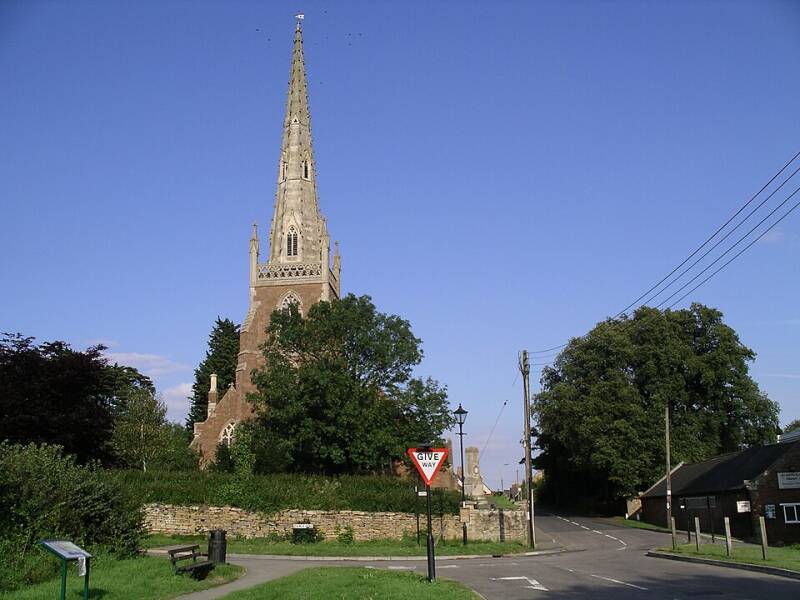
Standing above the village is All Saints' Church, which has watched over Braunston for more than a thousand years. Over time it became known as the ‘Cathedral of the Canals’ thanks to its close association with generations of boat families. The church itself has a long and sometimes turbulent history, with the present building dating from the mid-nineteenth century, when it was rebuilt to accommodate the expanding population. For countless boating families, All Saints' became the setting for weddings, christenings and funerals, cementing its place at the heart of canal life.
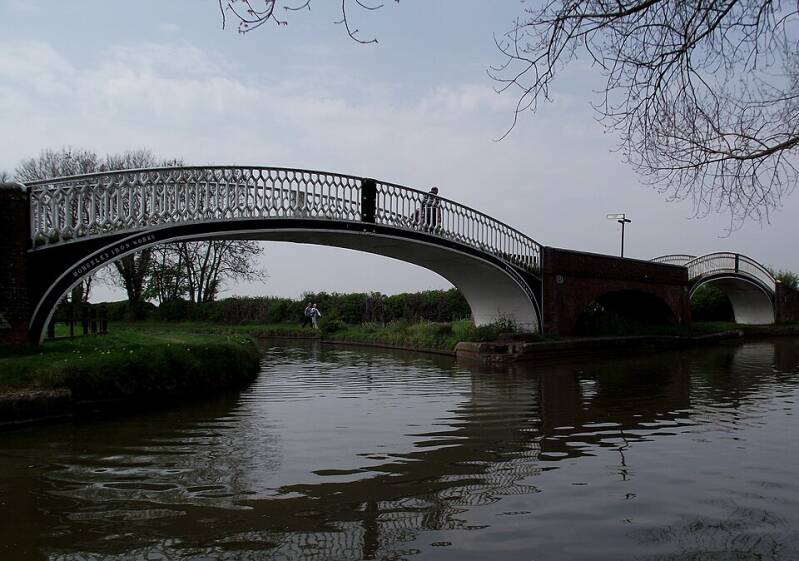
Braunston's importance grew dramatically during the canal age. When the Oxford Canal was constructed in the late eighteenth century, it created a vital route linking the Midlands to London via Banbury and Oxford. Built as a contour canal, it follows the natural shape of the landscape, winding its way through Rugby and Hillmorton before arriving in Braunston. Over the years parts of the canal network have been altered or modernised, yet Braunston Junction stays remarkably unchanged. The famous double-arched turnover bridge, completed in 1834, is still one of the most recognisable landmarks on the network, allowing the towpath to continue uninterrupted around the junction.
Just beyond the village lies Braunston Tunnel, stretching for 1,867 metres beneath the Northamptonshire countryside. Most of the bricks used in its construction were made locally. The tunnel was built without a towpath, meaning that before the arrival of motorised boats, crews had to lead their horses over the hill via a bridleway while boats were ‘legged’ through the tunnel. Construction took place largely by candlelight, a challenge that may explain the slight, but infamous kink that still exists in the tunnel today. Local tradition holds that several men lost their lives during its construction, although no official record survives to confirm the number. A room in the nearby Admiral Nelson pub is said to have been used as a temporary mortuary, lending credibility to stories that the work came at a heavy human cost.
Today, Braunston remains one of the busiest and most beloved locations on the canal network. Historic working boats still pass through the junction, enthusiasts gather to celebrate the waterways' heritage, and visitors arrive from across the country to experience this unique place for themselves. More than two hundred years after the first boats arrived, Braunston continues to embody the spirit of Britain's canals, where history, community and waterway life meet at the crossroads of the network.
Top Image: All Saint's Church - This image is used courtesy of Wikimedia Commons: Snowmanradio, CC BY-SA 3.0, via Wikimedia Commons

Above image: Bridges at Braunston - This image is used courtesy of Wikimedia Commons: Triple Bridge, Braunston Turn by Christopher Hall, CC BY-SA 2.0, via Wikimedia Commons

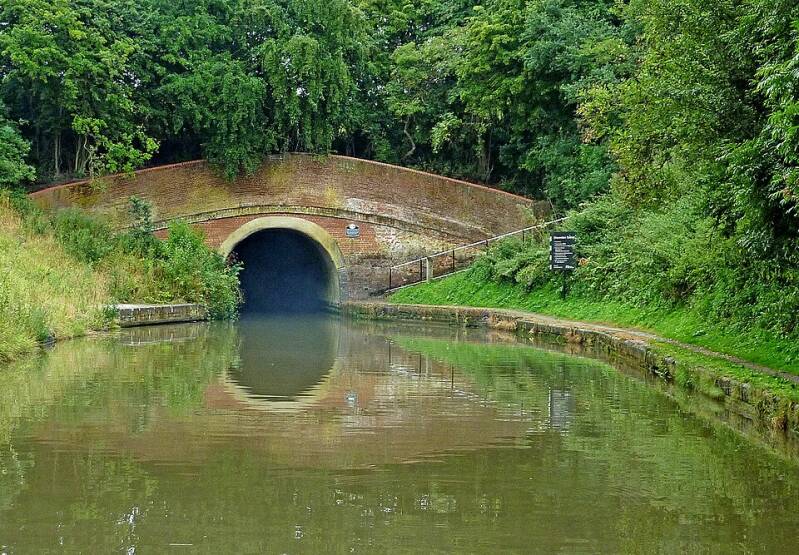
Braunston Tunnel - This image is used courtesy of Wikimedia Commons: Braunston Tunnel in Northamptonshire by Roger Kidd, CC BY-SA 2.0, via Wikimedia Commons

We visited Braunston earlier this year as part of our travels. You can watch our video here.
Add comment
Comments